Review: Timepiece Machine Embroidery Design
As an embroidery designer who spends countless hours digitizing and testing files for seasonal collections, I am always on the lookout for designs that bridge the gap between nostalgic charm and modern commercial appeal. When I recently downloaded the Timepiece Machine Embroidery Design from Creative Fabrica, my immediate goal was to determine if it could anchor a new line of holiday and birthday gifts for my small shop. The promise of timeless elegance inspired by classic fob watches and antique pocket watches is compelling, but does it translate well to actual stitched products? After putting this file through its paces on various fabrics and hoop sizes, I have formed a clear opinion on its viability for serious sellers.
First Impressions and Aesthetic Appeal
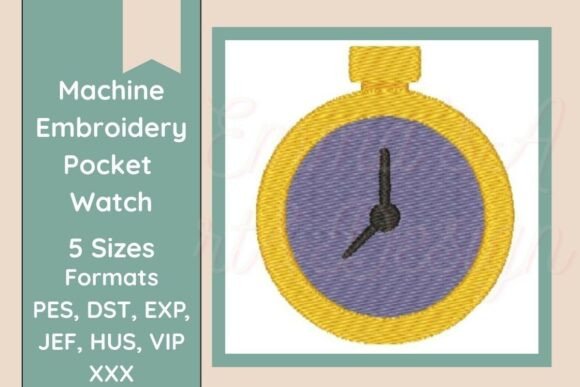
The visual impact of the Timepiece Machine Embroidery Design is immediately striking. It carries a distinct vintage mood that feels both premium and cozy. In a market saturated with generic holiday motifs, this design offers a sophisticated alternative. It does not scream "Christmas" in the traditional red-and-green sense, which actually works in its favor. Instead, it evokes a sense of history and permanence, making it perfect for customers looking for meaningful, long-lasting keepsakes. The detail level is high, capturing the intricate mechanics of antique timepieces without becoming overly dense or messy. This balance is crucial for maintaining stitch quality across different fabric textures.
For those of us creating handmade gifts, the emotional tone of this piece is invaluable. It suggests patience, precision, and the value of time itself. This makes it an excellent choice for milestone birthdays, anniversaries, or Father’s Day, in addition to winter holiday collections. The aesthetic is versatile enough to fit into rustic, steampunk, or classic elegant brand identities, giving Etsy sellers a broader target audience than typical seasonal designs.
Performance in Real Holiday Selling Situations
To truly evaluate a digital embroidery file, you must imagine it on finished products. I tested the Timepiece Machine Embroidery Design across several categories relevant to holiday shoppers and craft fair attendees. Here is how it performed in real-world applications:
- Sweatshirt Embroidery: Placed on the left chest of a heavyweight crewneck, the design looked professional and understated. It avoided the bulkiness that often plagues detailed vintage designs, making it comfortable to wear.
- Tote Bag Design: On canvas totes, the intricate lines of the pocket watch stood out beautifully against neutral tones. This is a strong seller for holiday gift bundles, especially when paired with books or gourmet foods.
- Kitchen Towel Embroidery: While delicate, the design worked well on high-quality linen towels. However, I recommend using a cut-away stabilizer to prevent puckering, as kitchen towels undergo frequent washing.
- Pillow Cover and Home Decor: Centered on a velvet or corduroy pillow cover, the design added a touch of luxury. It appeals to buyers looking for home decor that feels curated rather than mass-produced.
- Embroidered Patch: This is perhaps the most versatile application. By stitching the design onto twill and cutting it out as a patch, you can offer it as an add-on item or apply it to denim jackets and caps, expanding your product range without re-digitizing.
For small business owners, the ability to create cohesive product lines is key. This design allows for consistent branding across apparel and home goods. When creating printable mockups for your Etsy listings, the high contrast and clear lines of the timepiece make for stunning social media previews that grab attention during the busy holiday shopping period.
Technical Considerations and Careful Placement
While the Timepiece Machine Embroidery Design is robust, it requires thoughtful execution. Not every project is suitable for such detailed work. Here are specific areas where caution is advised:
- Small Hoop Sizes: If you are working with a 4x4 inch hoop, ensure the design scales down without losing legibility. Tiny details in the watch face may merge if the scale is too small.
- Stitch Density: Always check the stitch density before running the file. Vintage designs can sometimes be dense. On stretchy garments like jersey tees, excessive density can cause distortion. Use appropriate stabilizers to counteract this.
- Dark Fabric and Thread Colors: The design relies on contrast. On dark fabrics, ensure you use metallic or bright thread colors to highlight the details. Test your thread palette beforehand to avoid a muddy appearance.
- Curved Caps: Stitching this on a curved cap brim or front panel requires careful hooping. The flat nature of the design might distort on highly curved surfaces, so consider resizing or simplifying if necessary.
- Repeated Washing: For items like baby clothes or heavy-use aprons, consider how the fine lines will hold up. Satin stitches may fray over time compared to fill stitches, so educate your customers on proper care.
It is essential to review the specific file details provided by the creator on Creative Fabrica. Since I am reviewing this from a designer’s perspective, I advise you to verify the exact stitch count, available file formats, and machine compatibility before purchasing. Licensing terms vary, so always confirm that commercial use is permitted for your intended finished products.
Enhancing Seasonal Appeal and Buyer Emotion
The true power of the Timepiece Machine Embroidery Design lies in its ability to elevate perceived value. In the context of seasonal embroidery, buyers are often looking for gifts that feel special and personal. A generic snowflake is nice, but a vintage timepiece suggests thoughtfulness. It taps into the nostalgia of heirlooms, making it a powerful tool for building customer trust and brand consistency.
When used in limited edition apparel or personalized gift sets, this design helps differentiate your small shop product from competitors. It encourages engagement because it invites questions and stories. Customers love items with a narrative, and a pocket watch inherently speaks to the passage of time and cherished memories. This emotional connection can drive higher conversion rates during the competitive holiday season.
Practical Designer Notes for Success
To get the best results with this embroidery file, follow these practical steps:
- Test Thread Colors: Run test stitches on both light and dark fabric scraps. Vintage golds, silvers, and deep browns often work best, but don't be afraid to experiment with festive reds or greens for a holiday twist.
- Check Stabilizer: Use a medium-weight cut-away stabilizer for garments and tear-away for stable woven fabrics like tote bags. This ensures the detailed stitches remain crisp.
- Create Realistic Mockups: When listing your commercial embroidery products, use high-quality photos that show the texture of the stitches. Close-ups of the watch face details can significantly boost buyer confidence.
- Plan Matching Palettes: Coordinate this design with complementary fonts or borders if you plan to add names or dates. Keep the typography simple to let the timepiece remain the focal point.
In conclusion, the Timepiece Machine Embroidery Design is a valuable asset for any embroidery designer looking to expand their seasonal offerings. It balances artistic detail with commercial viability, offering a unique angle for birthday and holiday gifts. By paying attention to technical details like hoop size and stabilizer choice, you can produce high-quality finished products that resonate with buyers seeking elegance and nostalgia. Whether you are an Etsy seller, a craft fair vendor, or a custom apparel decorator, this design deserves a spot in your digital library.