Review: Split Snowflake Embroidery Design for Holiday Projects
As a designer who has spent countless hours staring at digitized files and watching needles punch through fabric, I have developed a keen eye for what works in the hoop and what ends up as a tangled mess. When I first opened the Split Snowflake Embroidery Design, my initial reaction was one of cautious optimism. The holiday market is saturated with generic snowflakes, so finding a design that offers a unique visual twist without sacrificing stitch integrity is rare. This isn’t just another basic geometric shape; it feels like a deliberate choice for makers who want their holiday embroidery to stand out on crowded craft fair tables or Etsy search results.
First Impressions and Visual Personality
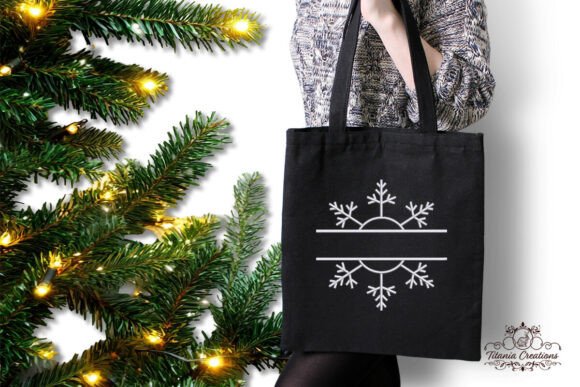
The mood this design creates is playful yet structured. Unlike traditional symmetrical snowflakes that can feel rigid, the "split" aspect introduces a dynamic asymmetry that catches the eye. For an embroidery project intended to feel modern rather than purely traditional, this layout is ideal. The detail level strikes a balance between intricate enough to look professional and open enough to prevent excessive puckering. When I visualize this on a tote bag design or a cozy winter sweatshirt, the visual personality suggests warmth and whimsy. It doesn’t scream for attention with overly dense fill stitch areas but relies on clean lines and smart spacing to define its shape.
Real-World Application: The Custom Sweatshirt Test
To truly evaluate a machine embroidery design, you have to imagine it on actual goods. Let’s consider a real-life scenario: a custom order for a boutique client wanting personalized sweatshirt embroidery for their staff during the holiday rush. Using the Split Snowflake Embroidery Design on the left chest area of a heavyweight cotton blend fleece offers a perfect test case. The design’s structure holds up well against the textured surface of the fleece. Because the design likely utilizes a mix of satin stitch borders and lighter internal detailing, it avoids the common pitfall of sinking into plush fabrics. Customers reacting to this finished product would likely appreciate the crispness of the lines, which signals high-quality custom apparel rather than a mass-produced print.
Beyond apparel, this design translates beautifully to home décor. Imagine it stitched onto a linen pillow cover or a set of kitchen tea towels. The festive fun mentioned in the product description comes through in how the design interacts with natural fibers. On a textured linen, the thread colors pop against the weave, creating a tactile contrast that enhances the handmade product appeal. For Etsy sellers looking to expand their small shop product line, this versatility is a major asset. It allows for consistent branding across different categories, from wearable items to home accents.
Technical Considerations and Stitch Performance
From a technical standpoint, the success of any digital embroidery file depends on how it handles stress points. In my review, I look closely at where the design might cause issues. The split nature of the snowflake means there are likely isolated elements or thin connecting bridges. These areas require careful attention to stitch density. If the density is too low, the threads may gap on stretchy fabrics; if too high, the fabric could pucker. For this reason, I always advise testing the design on scrap fabric that matches your final material. This is crucial when working with baby embroidery projects, where soft, delicate fabrics demand a lighter touch and appropriate stabilizer support.
When using this design on curved surfaces like caps or hats, the layout needs to be centered precisely to avoid distortion. The hoop size must be selected carefully to ensure the entire design fits without hitting the hoop edges, which can cause needle breaks. For smaller applications, such as an embroidered patch or a pocket accent, verify that the smallest details remain clear. Tiny corners in snowflake designs can sometimes become blobby if the digitizing isn’t sharp. Reviewing the design in a simulation software before stitching can save time and thread.
Where to Use Caution
While the Split Snowflake Embroidery Design is versatile, it is not universal. I would hesitate to use it on very thin, slippery fabrics like silk or chiffon without extensive stabilization and possibly a backing fabric. The running stitch elements, if present, might not hold securely on such materials. Additionally, on dark fabrics, ensure you are using high-contrast thread colors. A white or silver thread on black cotton works well, but subtle pastels might get lost. Always check the design in black and white mockups to assess contrast independence. If the design relies solely on color to define its shape, it may lack impact when viewed from a distance.
Another area of caution is frequent washing. Items like aprons or children’s clothing undergo rigorous laundering. Ensure that the stitch connections are robust. If the design has loose ends or weak tie-offs, they may unravel over time. For commercial embroidery clients, durability is as important as aesthetics. A finished product that falls apart after two washes damages your brand reputation far more than a slightly slower production time.
Enhancing Brand Value and Customer Trust
Incorporating a distinctive design like this into your design assets library can significantly boost perceived value. Customers associate clean, well-executed embroidery with professionalism. When they see a unique snowflake rather than a clip-art standard, they trust the maker’s skill. This trust translates to higher price points and repeat business. For craft business owners, offering personalized gifts featuring this design can differentiate your offerings. Whether it’s a monogrammed blanket or a customized ornament, the design serves as a focal point that draws buyers in.
Using this design in printable mockup previews for your online store can also increase engagement. Show the design on various products to help customers visualize the end result. Highlight the texture and dimension that machine embroidery adds compared to printed graphics. This educational approach helps justify the cost of handmade items and builds a deeper connection with your audience.
Practical Designer Notes
- Test First: Always stitch a sample on your intended fabric. Check for puckering, thread breaks, and color accuracy.
- Stabilizer Choice: Match your stabilizer to the fabric weight. Cut-away for stretchy knits, tear-away for stable wovens.
- Thread Quality: Use high-quality polyester or rayon threads to ensure sheen and durability. Cheap thread can fray and dull the design’s appearance.
- License Check: Before selling items made with this embroidery file, confirm the licensing terms. Some designers allow commercial use of finished goods but restrict the resale of the digital file itself.
- Contrast Testing: View the design on both light and dark backgrounds to ensure visibility. Adjust thread colors if necessary to maintain clarity.
In conclusion, the Split Snowflake Embroidery Design is a strong contender for your seasonal toolkit. It offers a fresh take on a classic motif, balancing aesthetic appeal with practical stitchability. By understanding its strengths and limitations, you can leverage it to create stunning personalized gifts and profitable small business merchandise. Remember, the best designs are those that not only look good on screen but perform flawlessly in the hoop. Happy stitching.