Coconut Drink Embroidery Design Review
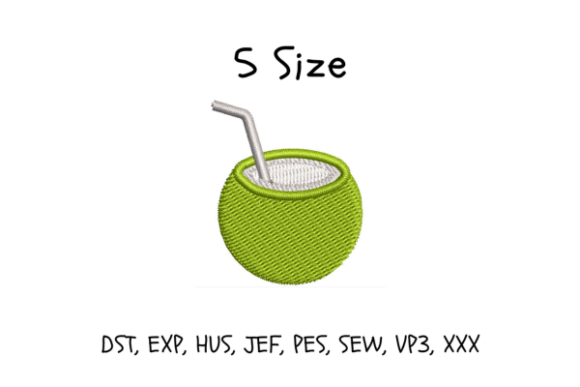
As an embroidery designer who has spent years digitizing logos and creating assets for small businesses, I approach every new machine embroidery design with a critical eye. It is not just about whether the image looks cute on a screen; it is about how that design translates to fabric, how it holds up in the wash, and most importantly, how it serves the brand identity of the client using it. Recently, I reviewed the Coconut Drink Embroidery Design, a digital asset marketed for instant download across five sizes. For small business owners, Etsy sellers, and apparel decorators, this review breaks down the practical viability of this design for commercial use.
First Impressions and Visual Personality
The immediate impression of the Coconut Drink Embroidery Design is one of approachable freshness. In the context of Spring trends, this motif fits perfectly into the seasonal shift toward lighter, tropical, and refreshing aesthetics. The design does not feel overly rustic or aggressively bold; rather, it strikes a balance between playful and professional. For a boutique café, a beachside gift shop, or a handmade skincare brand, this visual personality communicates relaxation and natural ingredients without sacrificing clarity.
When evaluating a design for branded merchandise, we look for versatility. This design appears to have clean lines that should translate well to various fabric textures. However, the "friendly" vibe means it must be applied strategically. It works best for brands that want to appear accessible and warm, rather than those aiming for high-end luxury or corporate rigidity. Understanding this tonal alignment is crucial before committing to bulk production.
Real-World Applications for Small Business Merch
The true test of any embroidery file is its application. The product description notes that the design comes in five sizes and can be embroidered on any product or fabric, provided proper stabilization is used. Here is how I envision this design performing in real commercial scenarios:
- Embroidered Patches: This is perhaps the strongest use case. A well-digitized coconut drink icon makes for an excellent iron-on or sew-on patch. Patches allow businesses to add branding to existing inventory without re-manufacturing garments. They are also popular as standalone products for craft fairs.
- Staff Uniforms and Aprons: For coffee shops or smoothie bars, placing this design on the chest pocket of an apron creates a subtle yet effective brand marker. It adds a touch of personality to standard workwear, enhancing the customer experience through visual consistency.
- Tote Bag Design: Canvas tote bags are a staple for eco-conscious brands. The Coconut Drink Embroidery Design can serve as a central focal point on a tote, turning a simple bag into a walking advertisement. The contrast of thread against natural canvas usually yields a premium look.
- Cap Embroidery: Caps require careful consideration due to the curved surface. Using the smallest size from the five included options is essential here. If the design is too wide, it will distort around the curve of the cap front.
For Etsy sellers and merch creators, this design offers flexibility. It can be used for custom apparel orders, event merch for local festivals, or as part of a curated gift set. The ability to scale the design means you can adapt it from a small sleeve detail on a t-shirt to a larger back print on a hoodie, assuming the digitization supports that range without losing detail.
Technical Considerations and Placement Strategy
While the design is versatile, there are areas where caution is necessary. As a designer, I always advise testing a new digital embroidery file before offering it to clients. Here are specific technical factors to consider:
- Stitch Density and Texture: Coconut imagery often involves gradients or shading to show the shell texture or the liquid inside. If the stitch density is too high, the fabric may pucker, especially on lightweight materials like jersey tees. Always check the finished product for flatness.
- Small Patch Sizes: When using the smallest size option, ensure that fine details do not merge. Tiny lettering or intricate outlines can become a blob of thread if the needle penetration is too dense. Simplify if necessary by adjusting tension or thread weight.
- Fabric Texture and Color: This design likely relies on specific thread colors to convey the "coconut" look. On dark uniforms, you may need to adjust the color palette or add an underlay to ensure visibility. Textured fabrics like terry cloth or fleece may swallow small details, so test on the actual material you plan to use.
- Stabilizer Selection: The product description explicitly states, "Please ensure proper stabilization is used to achieve a beautiful and flat finish." This is non-negotiable. For stretchy fabrics, use a cut-away stabilizer. For woven fabrics like canvas or denim, a tear-away may suffice, but hooping technique remains critical to prevent shifting.
Additionally, verify the hoop size compatibility. While five sizes are included, ensure your machine’s hoop can accommodate the largest version if you plan to use it for back prints or large tote bags. Never assume the file fits every machine without checking the dimensions against your hardware limits.
Impact on Brand Identity and Customer Trust
Consistency builds trust. When a customer sees the same high-quality Coconut Drink Embroidery Design on your apron, your tote bags, and your packaging accents, it reinforces brand recognition. High-quality Embroidery signals durability and attention to detail, which elevates the perceived value of your handmade product or service.
For small business merch, this design can act as a conversation starter. A well-executed embroidered logo feels more premium than a printed one. It suggests that the business invests in quality, which translates to customer confidence in the core product, whether that is coffee, clothing, or crafts. Use this design to create a cohesive visual language across all touchpoints.
Practical Designer Notes for Production
Before launching this design into your commercial embroidery workflow, follow these steps:
- Test in Black and White: Stitch out the design using only black thread on white fabric. This reveals the structural integrity of the digitization without the distraction of color. If it looks messy in monochrome, it will look messy in color.
- Create a Printable Mockup: Use design software to place the Coconut Drink Embroidery Design on photos of your actual products. This helps visualize scale and placement before wasting thread and fabric.
- Check Commercial Licensing: The description mentions "Instant Download," but always confirm the license terms. Ensure you have the right to use the file for physical goods sold for profit. Most reputable designers allow this, but verification is key to protecting your business.
- Compare with Existing Assets: Place this design next to your current logo or other design assets. Does it complement them? Does it clash? Visual harmony is essential for a professional brand presentation.
In conclusion, the Coconut Drink Embroidery Design is a strong candidate for small businesses looking to add a touch of seasonal flair and professional branding to their merchandise. By respecting the technical requirements of stabilization and fabric choice, and by strategically placing the design on appropriate items like patches and aprons, you can leverage this asset to enhance your brand identity and drive engagement. Always prioritize quality control in your first test run to ensure the finished product meets the high standards your customers expect.